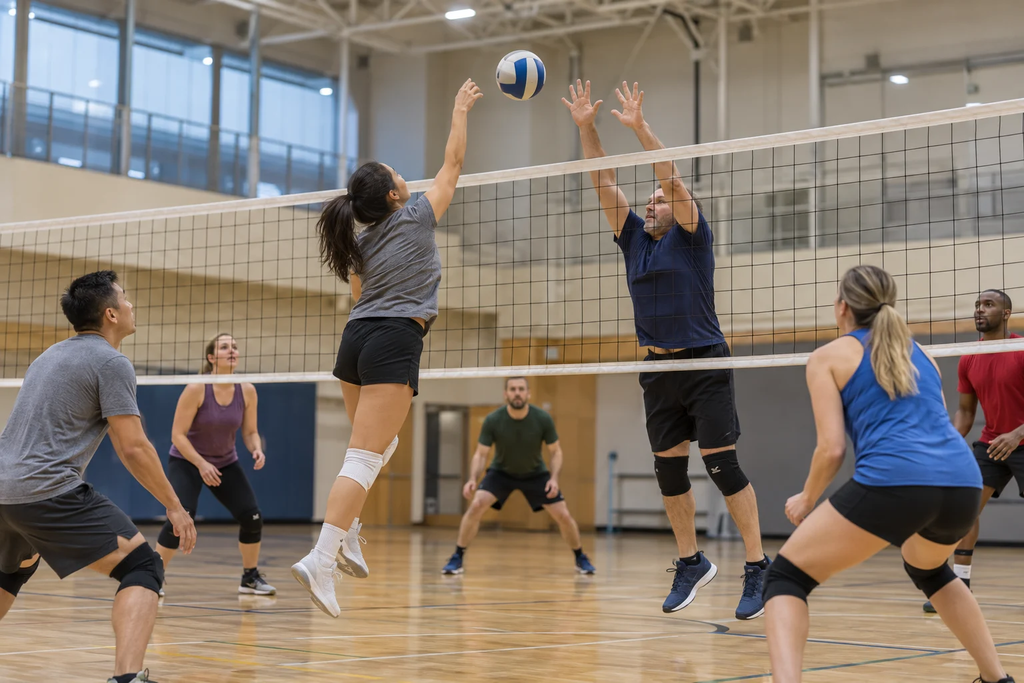
The Rhythm of You: How Body Movement Speaks Without Words
Introduction & Background
From the moment we wake up until we rest our heads at night, our bodies are in constant motion. Whether we realize it or not, these movements tell a story. They reveal emotions, intentions, and even thoughts without a single word being spoken. This silent language of the body has fascinated scientists, artists, and everyday people for centuries, shaping how we connect with others and understand ourselves. In a world where words often fail to capture the full depth of human experience, body movement steps in as a powerful communicator, bridging gaps between cultures, personalities, and even generations.
The study of body movement, known as kinesics, shows us that our posture, gestures, and rhythms are not random. They are deliberate expressions tied to our biology, psychology, and social interactions. For instance, a firm handshake can convey confidence, while crossed arms might signal defensiveness. These nonverbal cues are so ingrained in human behavior that they often speak louder than words. Understanding this rhythm of movement can transform the way we communicate, build relationships, and navigate the world around us.
Concept & Overview
The idea that body movement speaks without words is rooted in the broader field of nonverbal communication. Unlike spoken language, which relies on syntax and vocabulary, body movement communicates through rhythm, space, and physical expression. Think of a dancer’s graceful flow or a child’s impulsive jump for joy. Each movement carries meaning, whether intentional or unconscious. This concept goes beyond simple gestures. It includes the timing of actions, the energy behind them, and how they align, or clash, with the movements of others.
At its core, body movement is a form of self-expression that transcends cultural and linguistic barriers. A smile shared across continents feels the same, just as a slump in posture can universally signal fatigue or sadness. The rhythm of movement also reflects internal states. Heartbeat, breathing, and muscle tension all influence how we move, making our bodies living instruments of emotion. By tuning into this rhythm, we gain insight into ourselves and those around us, fostering deeper connections and empathy.
Key Features & Highlights
- Syncopation of Gestures. Body movements often follow a rhythmic pattern, much like music. A speaker’s hand gestures may align with the cadence of their speech, creating a harmonious flow that enhances clarity and engagement.
- Cultural Choreography. Different cultures interpret body language uniquely. For example, nodding can mean agreement in some societies and politeness in others. Recognizing these nuances helps avoid misunderstandings and builds respect across diverse groups.
- Emotional Synchronization. When two people are deeply connected, their movements often mirror each other. This subtle synchronization, called the “chameleon effect,” fosters trust and rapport without conscious effort.
- Postural Storytelling. The way we hold our bodies tells a story. Slumped shoulders might reflect stress, while an upright stance can project confidence. These physical cues shape first impressions and influence social dynamics.
- Rhythmic Responsiveness. Our movements adapt to the environment and the people in it. A crowded room forces smaller, more contained gestures, while an open space allows for expansive motion. This adaptability showcases the body’s intelligence in navigating social settings.
Frequently Asked Questions / Pros & Cons
What does body movement reveal about a person’s emotions?
Body movement acts as a window into emotions that words might conceal. For instance, fidgeting often indicates anxiety, while slow, deliberate movements can signal calmness or contemplation. Facial expressions, hand gestures, and posture all contribute to this emotional map. However, interpreting these cues requires context. A person pacing during a meeting might feel restless, but in an athletic setting, it could reflect excitement rather than stress.
Can body movement be controlled to improve communication?
Absolutely. Developing awareness of your own movements can enhance how you connect with others. Practicing open postures, making purposeful eye contact, and using deliberate gestures can make conversations more engaging. However, over-controlling movements might come across as unnatural or forced. The key is balance, letting your body reflect your true intentions while being mindful of how you present yourself.
Are some movements universally understood?
Yes, certain movements have near-universal meanings. Smiling, for example, is often recognized as a sign of happiness across cultures. Similarly, crying typically signals sadness or distress. However, gestures like the okay sign or thumbs-up can vary widely in interpretation. Always consider cultural context to avoid miscommunication.
How does body movement impact professional settings?
In professional environments, body movement shapes credibility and authority. Standing tall during a presentation projects confidence, while leaning forward can show engagement and interest. Conversely, avoiding eye contact or slouching may undermine your message. Employers and colleagues often form opinions based on nonverbal cues, making body language a critical skill in career success.
What are the limitations of interpreting body movement?
While body movement offers valuable insights, it is not foolproof. Cultural differences, individual personalities, and even temporary physical conditions can influence how movements are perceived. For example, someone with a physical disability may move differently, and these variations should not be misinterpreted as emotional or psychological states. It is essential to approach interpretation with sensitivity and an open mind.
Practical Guidance & Solutions
To harness the power of body movement in your daily life, start by observing your own habits. Notice how your posture changes when you are tired versus energized. Do you cross your arms when deep in thought? Do you fidget when listening to someone? These observations reveal patterns that you can refine for better communication.
Next, practice active listening through movement. Nodding, maintaining appropriate eye contact, and mirroring the speaker’s gestures can build rapport and show engagement. In professional settings, use open body language to appear approachable and confident. Avoid barriers like crossed arms or hiding behind objects, as these can create distance.
For those looking to improve their expressive movements, consider activities like dance, theater, or yoga. These practices enhance body awareness and control, making your movements more intentional and fluid. Additionally, pay attention to cultural norms when interacting with diverse groups. A gesture that seems harmless in one culture might be offensive in another, so always research or ask respectfully.
Finally, remember that authenticity is key. Strive to align your movements with your true feelings and intentions. People can sense when gestures are forced or insincere, which can erode trust. By staying genuine and mindful, you create a rhythm of movement that resonates with others and strengthens your connections.
Conclusion
The rhythm of your body is a language all its own. It speaks of joy, stress, confidence, and vulnerability without uttering a single word. By learning to listen to this silent dialogue, we unlock deeper understanding and connection in every interaction. Whether in personal relationships, professional settings, or casual encounters, body movement bridges gaps and fosters empathy. It reminds us that communication is not just about words but about the stories our bodies tell every day. So, the next time you move, pay attention. Your rhythm might be saying more than you realize.