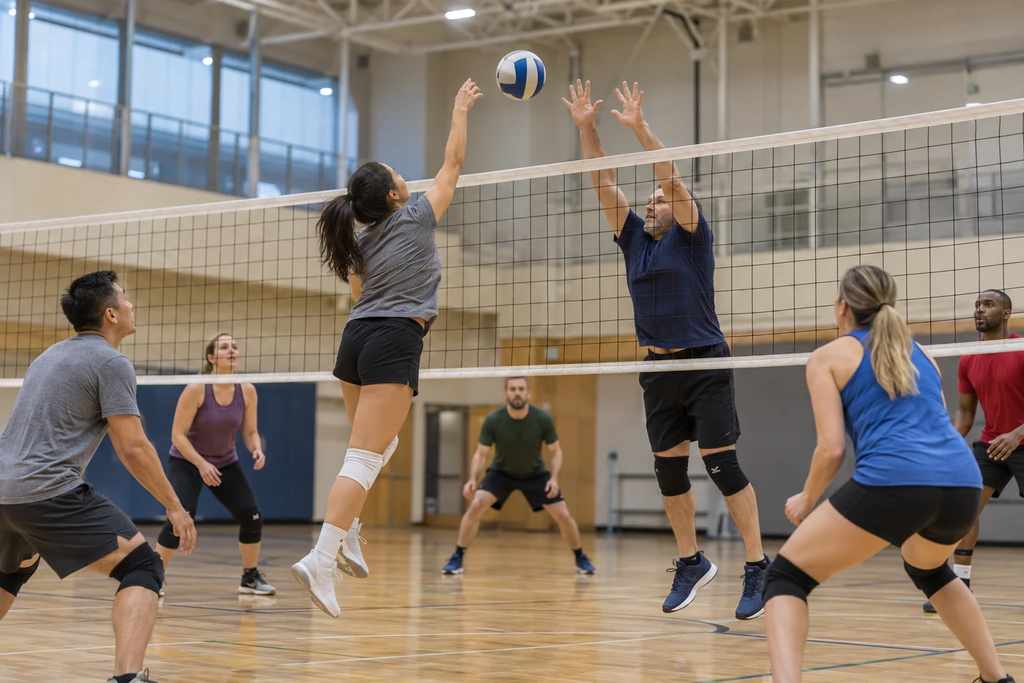
Dynamic Motion: Exploring the Art of Body Movement in Everyday Life

Introduction & Background
Body movement is far more than a physical act. It is a silent language that shapes how we communicate, express emotions, and interact with the world around us. From the way we walk to the gestures we use while speaking, every motion tells a story. Dynamic motion, the art of deliberate, expressive body movement, has been studied by dancers, athletes, and psychologists alike, revealing its profound impact on both personal well-being and interpersonal connections. In our fast-paced, screen-dominated lives, the ability to harness movement meaningfully is becoming increasingly valuable. Whether in professional settings, social interactions, or personal wellness routines, understanding and refining our body’s language can unlock new dimensions of confidence, creativity, and connection.
Concept & Overview
Dynamic motion refers to the intentional and fluid use of body movements to convey meaning, emotion, or purpose. Unlike static postures, dynamic motion involves continuous transitions, rhythm, and spatial awareness. It draws from disciplines such as dance, theater, and kinesiology, where movement is structured yet flexible, adapting to internal and external cues. At its core, dynamic motion is about awareness. It requires individuals to be present in their bodies, responsive to their environment, and expressive in their actions. Historically, movements like ballet, martial arts, and even everyday gestures have been refined into forms of art and communication. Today, the concept extends beyond performance into daily life, where even small adjustments in posture or gesture can influence how others perceive and respond to us.
Key Features & Highlights
- Fluidity: Dynamic motion thrives on smooth transitions between movements, avoiding stiffness or abrupt changes. This fluidity enhances both aesthetics and communication.
- Rhythm & Timing: Movement is most expressive when timed well, whether matching a beat in dance or aligning with speech patterns in conversation. Rhythm creates predictability and engagement.
- Spatial Awareness: Understanding one’s position in relation to surroundings allows for purposeful movement, whether navigating a crowded room or performing a complex dance routine.
- Emotional Expression: The body often reveals what words cannot. Dynamic motion channels emotions like joy, confidence, or determination into visible, relatable forms.
- Adaptability: Effective movement adjusts to different contexts, from formal presentations to casual conversations, ensuring relevance and impact.
- Mind-Body Connection: Movement is not just physical. It stimulates mental clarity, reduces stress, and fosters a deeper connection between thought and action.
Frequently Asked Questions / Pros & Cons
What are the benefits of practicing dynamic motion?
Practicing dynamic motion enhances physical health by improving flexibility, coordination, and posture. It also boosts mental well-being through stress reduction and increased mindfulness. Socially, it can make interactions more engaging and persuasive, as expressive movement naturally draws attention and fosters connection.
Can anyone learn to move dynamically, or is it innate?
While some people may naturally have a flair for movement, dynamic motion is a skill that can be developed with practice. Training in dance, theater, or even mindfulness exercises can improve awareness and control over body movements over time.
How does dynamic motion differ from everyday movement?
Everyday movement focuses on functionality, such as walking or reaching for an object. Dynamic motion, however, emphasizes intentionality, expression, and aesthetic quality. It transforms ordinary actions into deliberate, often artistic, gestures.
What are the potential drawbacks of focusing too much on dynamic motion?
Overemphasis on performance or aesthetics may lead to self-consciousness or fatigue. In some professional settings, overly expressive movement could be seen as unprofessional or distracting if not aligned with the context.
Is dynamic motion useful in non-artistic fields?
Absolutely. Fields like sales, leadership, education, and healthcare benefit from expressive and intentional movement. Clear gestures and confident posture can enhance persuasion, clarity, and trust in these roles.
Practical Guidance & Solutions
To incorporate dynamic motion into daily life, start small. Begin by observing your posture in front of a mirror, noting areas where movements feel stiff or unnatural. Practice simple exercises like walking with purpose, using your arms naturally as you move. In conversations, pay attention to gestures that complement your words, avoiding overuse or stiffness. For those interested in deeper development, consider taking a dance or theater class to refine rhythm and fluidity. Mindfulness practices, such as yoga or tai chi, can also sharpen body awareness. Remember, the goal is not perfection but presence. Movement should feel authentic and aligned with your intentions, whether you’re speaking in public or simply enjoying a walk.
Conclusion
Dynamic motion is more than a skill. It is a bridge between the body and the mind, the self and the world. By embracing intentional movement, we not only enhance our physical presence but also deepen our emotional and social connections. Whether through dance, daily routines, or professional interactions, the art of body movement invites us to move with purpose, confidence, and creativity. In a world that often prioritizes stillness and screens, dynamic motion reminds us of the power and beauty of being fully alive in our bodies. Start today. Take a step, a breath, and a gesture. The journey of expressive movement begins with a single move.