
Why Co-Ed Volleyball Is Accessible for Adult Players
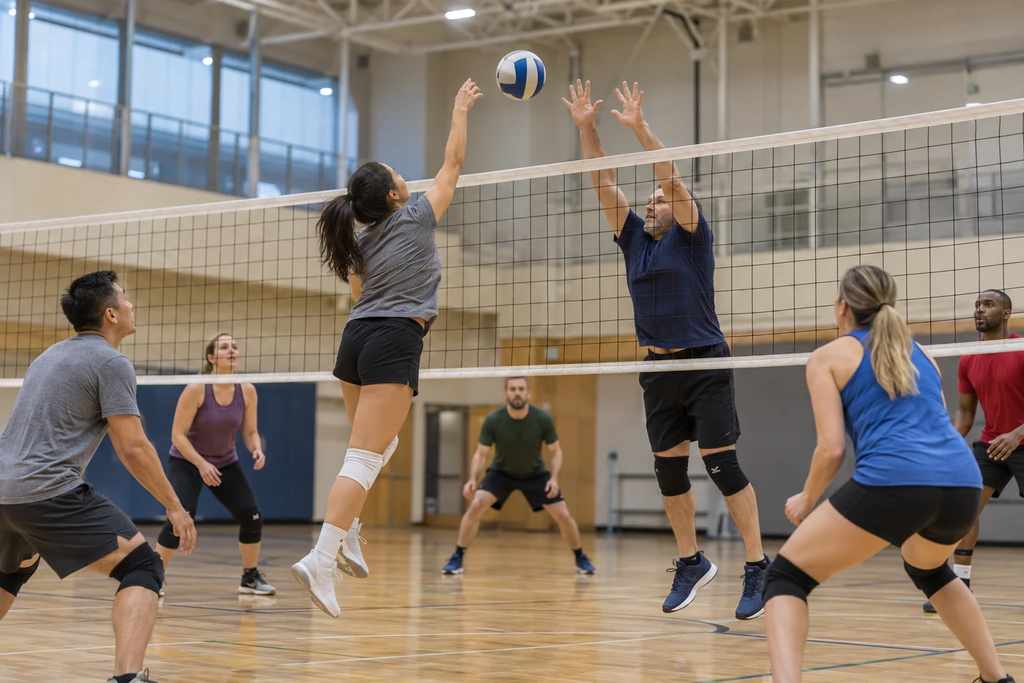
Returning to organized sports as an adult can feel more complicated than joining a team during school years. Work schedules, family responsibilities, fitness levels, and years away from competition can all affect the decision. Many adults are interested in becoming active again but do not necessarily want the intensity or time commitment associated with highly competitive sports.
Volleyball offers a practical middle ground. It combines movement, teamwork, and competition while allowing people with different athletic backgrounds to participate together. Co-ed formats can make the sport especially approachable because leagues are often structured around recreational participation and clearly defined skill levels.
For adults looking for a social way to stay active, indoor volleyball can provide the structure of organized sport without requiring everyone on the court to have the same experience.
Different Experience Levels Can Share the Court
One reason volleyball works well for adult recreation is that players can contribute in different ways. A participant does not need to be the strongest hitter or most experienced setter to have a useful role during a match.
Some players may have competed in school or club volleyball, while others are learning positioning, serving, or passing for the first time. In a recreational setting, these differences can be managed through league divisions and team organization rather than expecting every participant to perform at the same level.
Mixed volleyball also encourages players to become comfortable with several aspects of the game. Teams depend on communication, ball control, positioning, and awareness as much as individual athletic ability. A reliable pass or well-placed serve can be just as important to a rally as a powerful attack.
This variety gives returning players time to rebuild confidence. Someone who has been away from organized sports for several years can gradually improve without needing to reach an advanced level before participating.
Volleyball Supports Active Play Without Constant Contact
Adults returning to sport may also think carefully about the physical demands of a league. Volleyball involves quick movement, jumping, reaching, and changes of direction, but it does not rely on the regular player-to-player contact found in many other team sports.
That characteristic can make recreational volleyball appealing to adults who still want an energetic game while preferring a sport built around separated sides of the court.
The pace can also vary considerably depending on the division. Beginner and recreational leagues may feature longer pauses between points and less aggressive attacking, while experienced divisions can involve faster rallies and more specialized play.
Because of this range, adult volleyball leagues can serve people with different goals. One player may be interested mainly in regular exercise and social interaction. Another may want a competitive outlet after leaving school or club sports. Both can participate in the same sport while choosing environments that suit their expectations.
Team Participation Adds a Social Dimension
Exercise is often easier to maintain when it is connected to a regular activity rather than treated as an isolated task. Adult team sports provide a scheduled reason to be active while also creating opportunities to meet people outside work or existing social circles.
Volleyball naturally encourages interaction because nearly every rally requires cooperation. Players call for the ball, coordinate coverage, rotate positions, and adjust to what teammates are doing. Even in recreational volleyball, successful play depends on communication.
That team element can be especially valuable for adults returning to sport. Joining a gym or starting an individual fitness routine can require a great deal of self-motivation. A league creates a set schedule and a group that expects participants to show up and take part.
The social side does not mean competition disappears. Many adults still enjoy keeping score, improving over a season, and playing meaningful matches. The difference is that recreational leagues can offer those elements within a setting where participation remains an important part of the experience.
Finding a League That Matches Your Level
The quality of an adult volleyball experience often depends on choosing the right competition level. Before registering, players should look at how a league describes its divisions, the expected standard of play, and whether teams are intended for beginners, recreational players, or more experienced competitors.
People returning to sport after a long break may prefer a recreational division even if they played volleyball in the past. This gives them time to adjust to regular movement, court positioning, and match play. More experienced participants may prefer divisions where serving, setting, blocking, and attacking are performed at a faster pace.
Local options can also differ in format. For example, players exploring organized indoor play in Oakville can look at EVP’s co-ed adult volleyball programming as one example of a structured league environment. Reviewing the available format and competition level before registering can help players choose a setting that fits their current ability rather than their past experience.
It is also worth considering practical factors such as match nights, season length, team registration requirements, and whether individuals can join without already having a full roster. A league that fits both a player’s schedule and skill level is more likely to support consistent participation.
A Practical Route Back Into Organized Sport
Adults do not need to return to sport at the same level they once played, or arrive with years of previous experience. A well-matched volleyball league allows participants to develop skills while taking part in real games from the beginning.
That accessibility is one of the strengths of indoor volleyball as an adult recreation option. Players can compete, improve, socialize, and stay active within a structured team setting, while league divisions help keep the level of play appropriate.
For someone considering a return to organized sports, the most useful first step is often simply finding a format that feels sustainable. Volleyball gives adults room to participate at their current level and build from there.


